Parents of children at IB schools receive information in fragmented ways handwritten diaries sent home, WhatsApp groups that mix official notices with parent chat, and the occasional app that nobody remembers to check. None of it was controlled, and none of it could scale across 25+ schools without becoming unmanageable.
The organization had identified the problem clearly: they needed a single platform for direct, structured communication between school administration and parents. One channel, with clear roles for who could send what to whom.
The brief was straightforward. The execution was harder.
Technogise's first task was not to write code. It was to get buy-in.
Each school under the organization's umbrella had its own culture, its own processes, and its own view of what the problem actually was. Getting senior management across 25+ schools aligned on a single platform required sustained effort of repeated demonstrations, structured conversations about the changeover, and a credible answer to the question every school eventually asks: what happens to the parents who rely on the current system while we switch?
The Technogise team met with school administration regularly throughout the early phase, working through concerns one school at a time. Engineering decisions followed from that understanding, not the other way around.
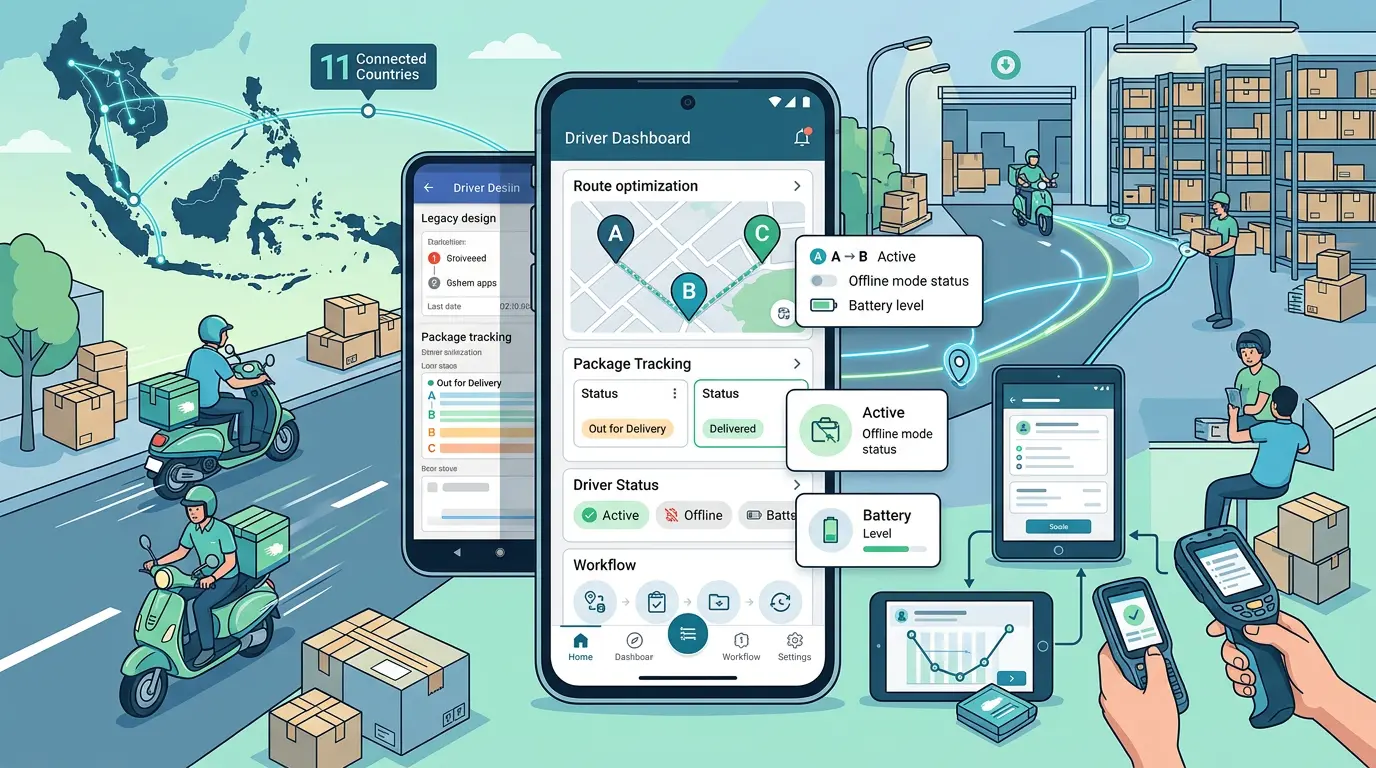
The core product was a mobile application for parents, with a web and mobile interface for school administrators. Role-based access ran throughout: principals, teachers, admin staff, parents, and students each saw a different version of the platform with appropriate permissions.
Two feeds structured the information flow. A general feed carried broader educational content and communications of interest to all parents and students. A school-specific feed carried only what was relevant to the school the student was enrolled in fees, activities, trips, and announcements. Push notifications replaced the lag of paper diaries. Parents could contact the principal, office administration, or their child's subject teacher directly.
A child-facing interface with a parental lock handled younger students, with a deliberately different visual design and a restricted feature set. Parents could see everything on their child's version; children could only access a subset of the parent's view.
During the pandemic, teachers had no way to publicly recognise students' achievements. A Kudos feature added specifically to address this allowed both schools and parents to post about student accomplishments in a structured format, visible to the right audience.
A bus tracking system integrated Google Maps to show live location and send notifications to parents about pickup timing and authorized collection. A fee management system through RazorPay replaced post-dated cheques with installment-based e-mandates and automated receipt generation.
The shift from WhatsApp groups to a structured platform changed not just how information moved, but who was responsible for it. Administration regained control of the communication channel. Parents gained a reliable, organised source of school information.
A ticketing system built on Chatwoot transformed parent enquiries previously sent by email and managed informally, into support tickets routed to the appropriate staff member and resolved with a direct response to the parent.
The platform supports AI and human moderation of posts to prevent misinformation or inappropriate content from reaching parents. New features were deployed continuously throughout the engagement using feature flags, which kept the live environment stable while allowing the team to move quickly on new functionality. DataDog monitoring provided visibility into data flow between the app and backend, enabling issues to be identified before they affected users.

| © 2026 Technogise